Tables & desks
Measure the room, then choose the furniture
A floor plan is useful only when it includes the way you move through a room. Make a simple buying plan around space, access and everyday use.
By Homora Team · Published
The short answer
How do you measure a room before buying furniture?
Measure the usable floor space, mark the full furniture footprint and check the delivery route before ordering. Include door swings, drawers, chair movement and furniture that will stay in the room. Use the dimensions of the exact product configuration, rather than a mattress size or the number of sofa seats.
Make a labelled sketch with units, then use removable tape or paper to test the arrangement. Walk through the room and open nearby cupboards as you normally would. Separately, record doorways, hallway turns, stairs and lift openings. Ask the retailer for package dimensions and which parts, if any, can be removed for delivery. A piece can fit its intended corner yet still be difficult to bring inside. Keep the sketch and the selected product specifications together so every shortlisted piece is compared against the same available space.
Start with what stays
Sketch the room and mark doors, windows, radiators and the furniture you intend to keep. Note which doors open inward, where curtains fall and whether a window needs room to open. Measure the usable area between these obstacles rather than relying on the overall wall-to-wall size.
Write measurements with units on the sketch. A photograph can remind you of a corner, but it will not tell you how much space is behind a door. Keep a separate note of skirting boards, sockets and any uneven wall that could stop a piece sitting where you expect.
Mark the footprint
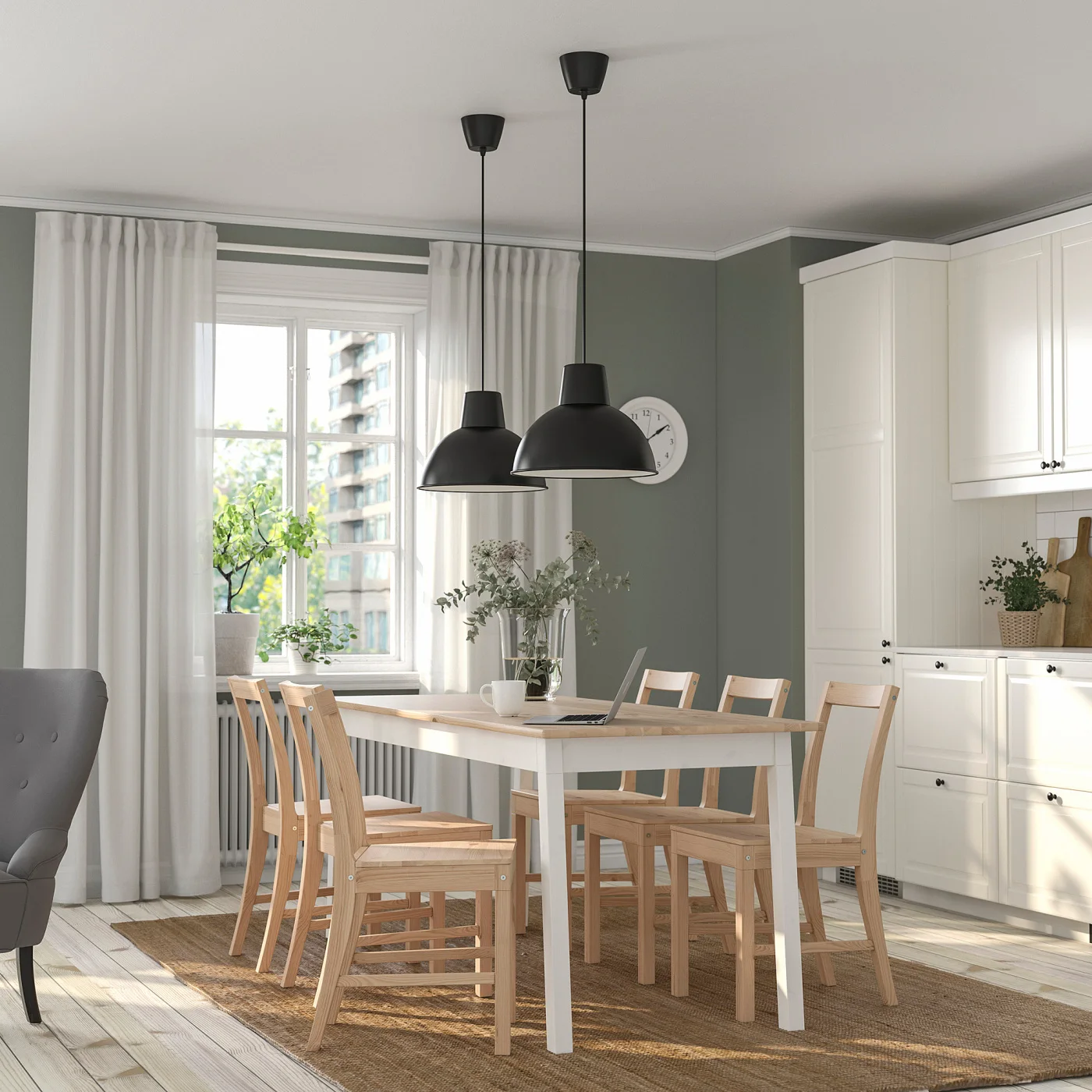
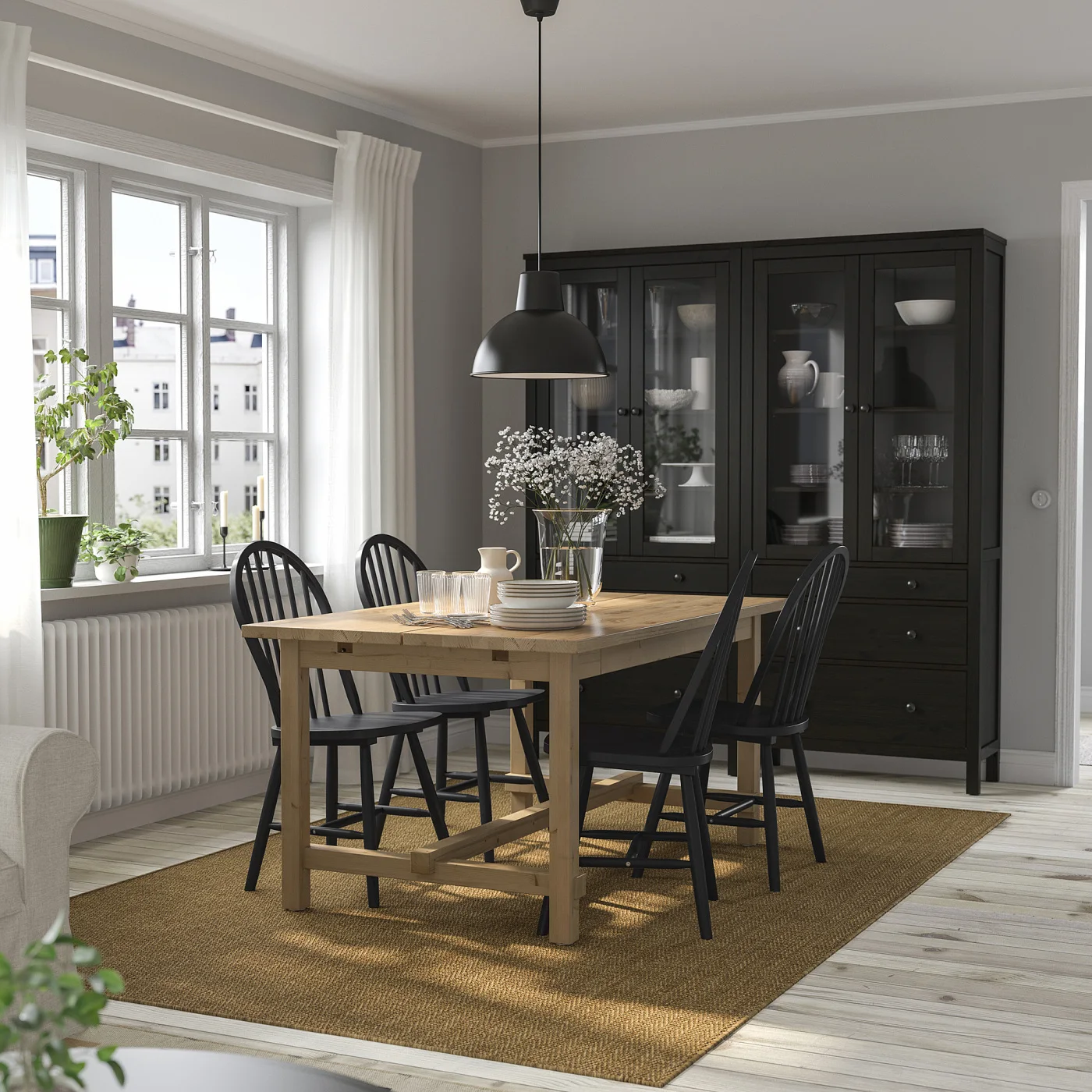
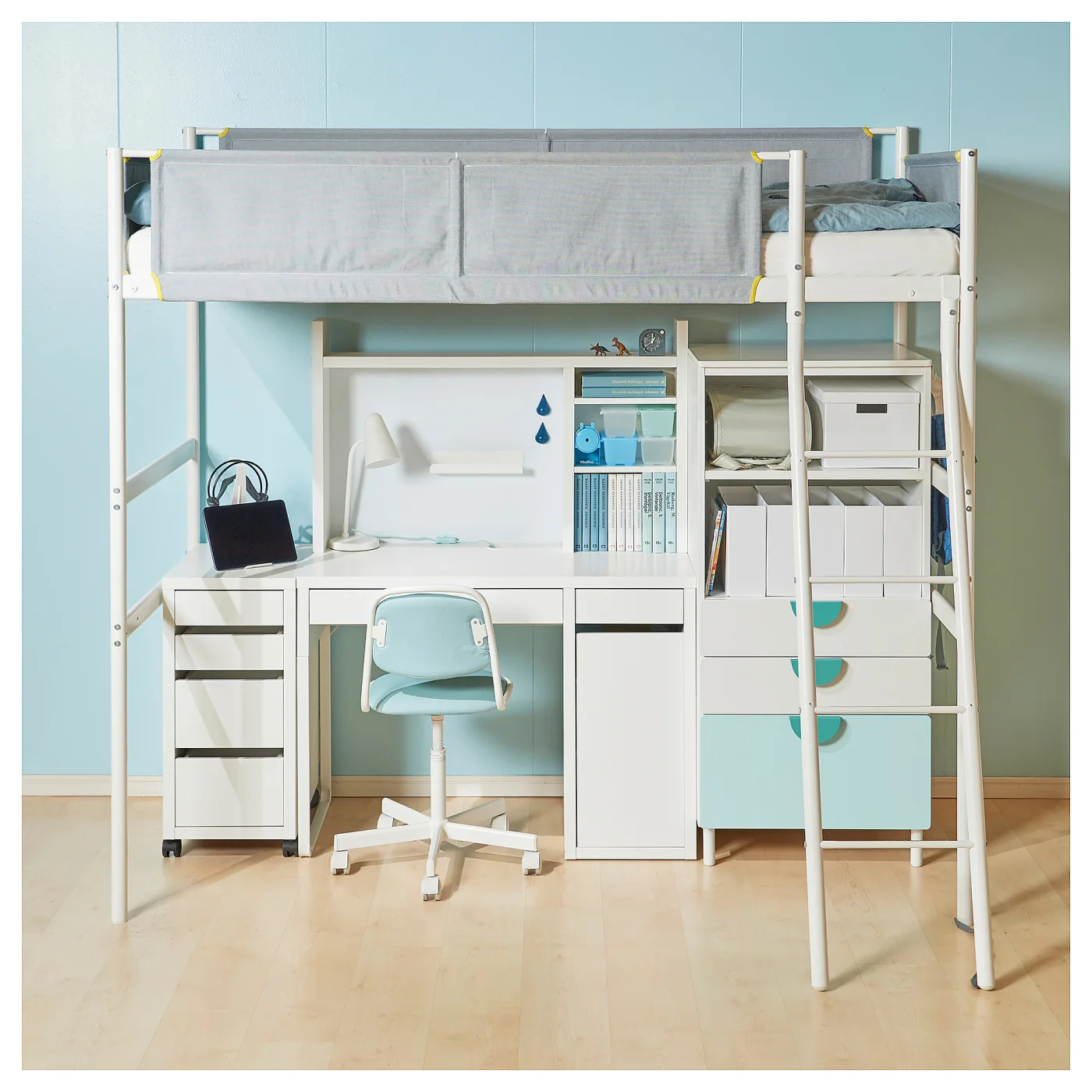
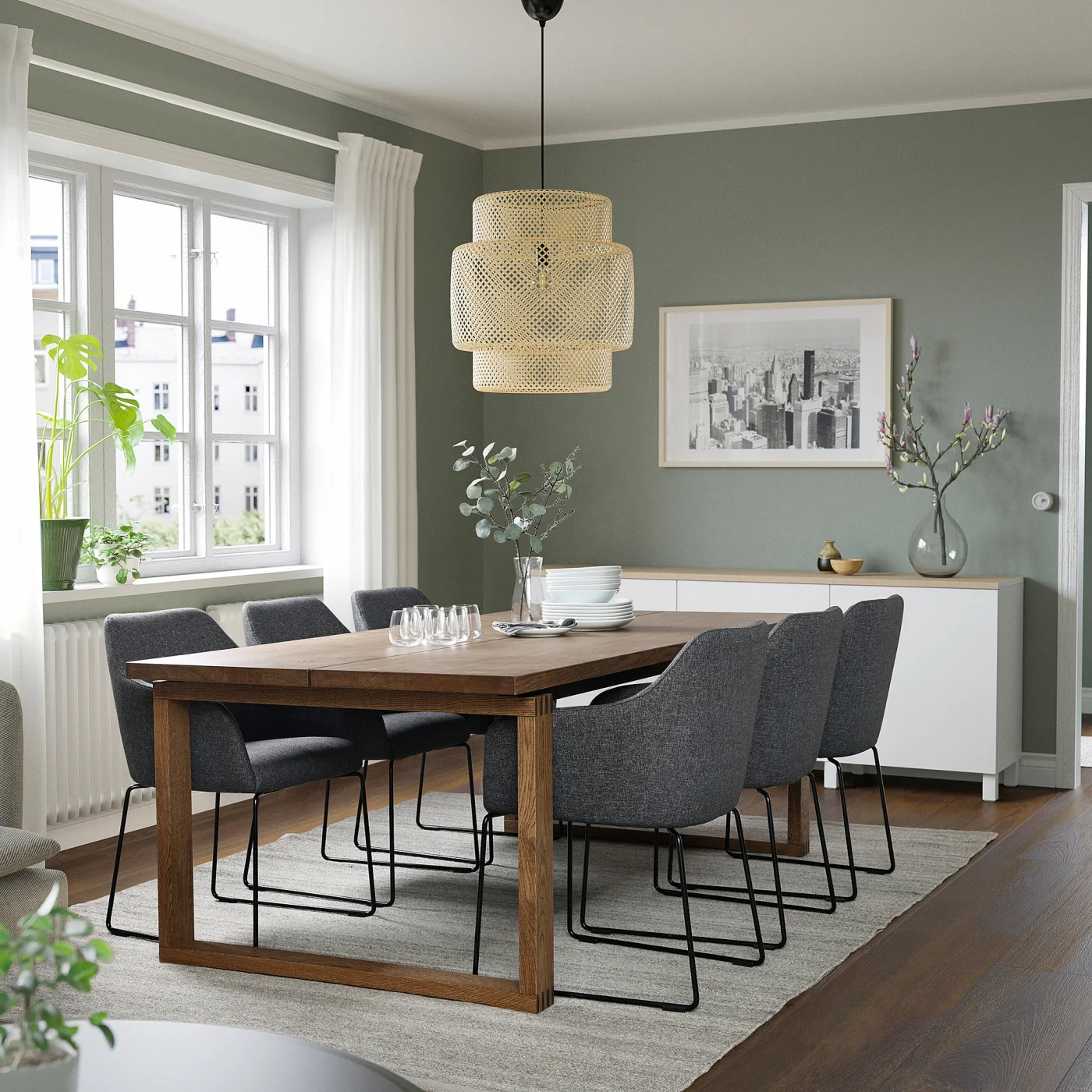
Use removable tape or paper to mark the proposed furniture footprint on the floor. Walk past it carrying a laundry basket, sit beside it and open nearby cupboards. For a dining table, pull a chair back into its real position. For a desk, include the chair when it is occupied.
Measure the full product, including projecting handles, arms and headboards. A mattress size is not the size of a bed frame. Where the listing shows several variants, record the dimensions of the option you plan to order.
Measure the journey indoors
Trace the route from the entrance to the final room. Include hallway turns, stairs, lift openings and low ceilings. Ask the retailer for package dimensions and whether feet or other parts can be removed for delivery. Do not assume the assembled size describes the delivery package.
A piece that fits on the floor plan can still fail at the front door. Send your measurements and photographs to the retailer when access is uncertain, and obtain its delivery and failed-access terms before purchasing.
Leave a record for comparison
Save the room sketch alongside each shortlisted product's dimensions and selected configuration. If two pieces appear similar, compare the amount of usable space left after placement. The better choice may be the one that makes an ordinary morning easier rather than the largest piece the room can hold.
Before you decide
- Measure usable space and door swings.
- Mark the complete furniture footprint.
- Confirm package sizes and the delivery route.
- Check the exact option before ordering.